Overview
This project investigates how memory load influences visual working memory precision using trial-level data from three openly available continuous-report experiments. The study examines how precision changes with increasing memory load and whether individual differences in performance can be characterized using hierarchical Bayesian models. The analysis combines circular statistics, Bayesian modeling, predictive evaluation, and reproducible computational methods within an open-science workflow.
Research Question
How does memory load influence visual working memory precision, and can hierarchical Bayesian models characterize individual differences and memory-load effects in continuous-report performance?
Data & Methods
The analysis used an openly available visual working memory dataset originally reported by van den Berg et al. (2012) and distributed through the BenchmarksWM repository. The dataset comprised 37,824 trial-level observations from 13 participants across three continuous-report experiments, including color memory with scrolling response, orientation memory with rotational response, and color memory with color-wheel response. Performance was quantified using circular angular error. Data validation confirmed the consistency of the dataset, and no observations were excluded.
The analysis pipeline included circular error analysis, descriptive statistics, hierarchical Bayesian modeling, posterior predictive checking, and predictive model comparison. Three Bayesian models were evaluated using a von Mises likelihood: a null model, a hierarchical model incorporating participant-level variability and memory-load effects, and a nonlinear hierarchical model with memory-load-specific effects. Models were fitted using Hamiltonian Monte Carlo with the No-U-Turn Sampler (NUTS) implemented in PyMC. Model adequacy and predictive performance were evaluated using convergence diagnostics, posterior predictive checks, and leave-one-out cross-validation.
Key Findings
- Memory precision decreased systematically as memory load increased.
- Substantial individual differences were observed in baseline visual working memory precision.
- The hierarchical Bayesian model estimated a strong negative association between memory load and precision.
- The nonlinear hierarchical model provided the strongest predictive performance among the tested models.
- Posterior predictive checks showed that the selected model reproduced important characteristics of the observed error distributions.
- Robustness analyses showed stable conclusions across alternative priors, sampling configurations, and experiment-specific analyses.
Figures
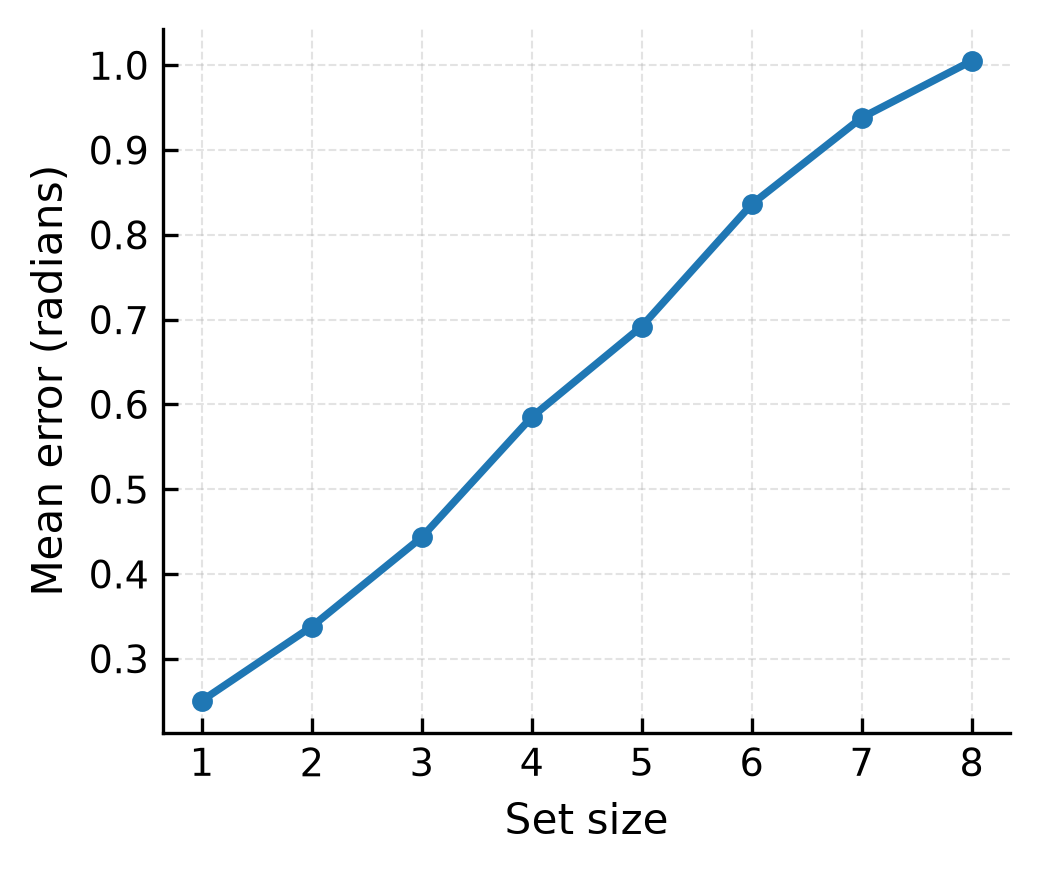
Figure 1. Mean angular error across memory loads.
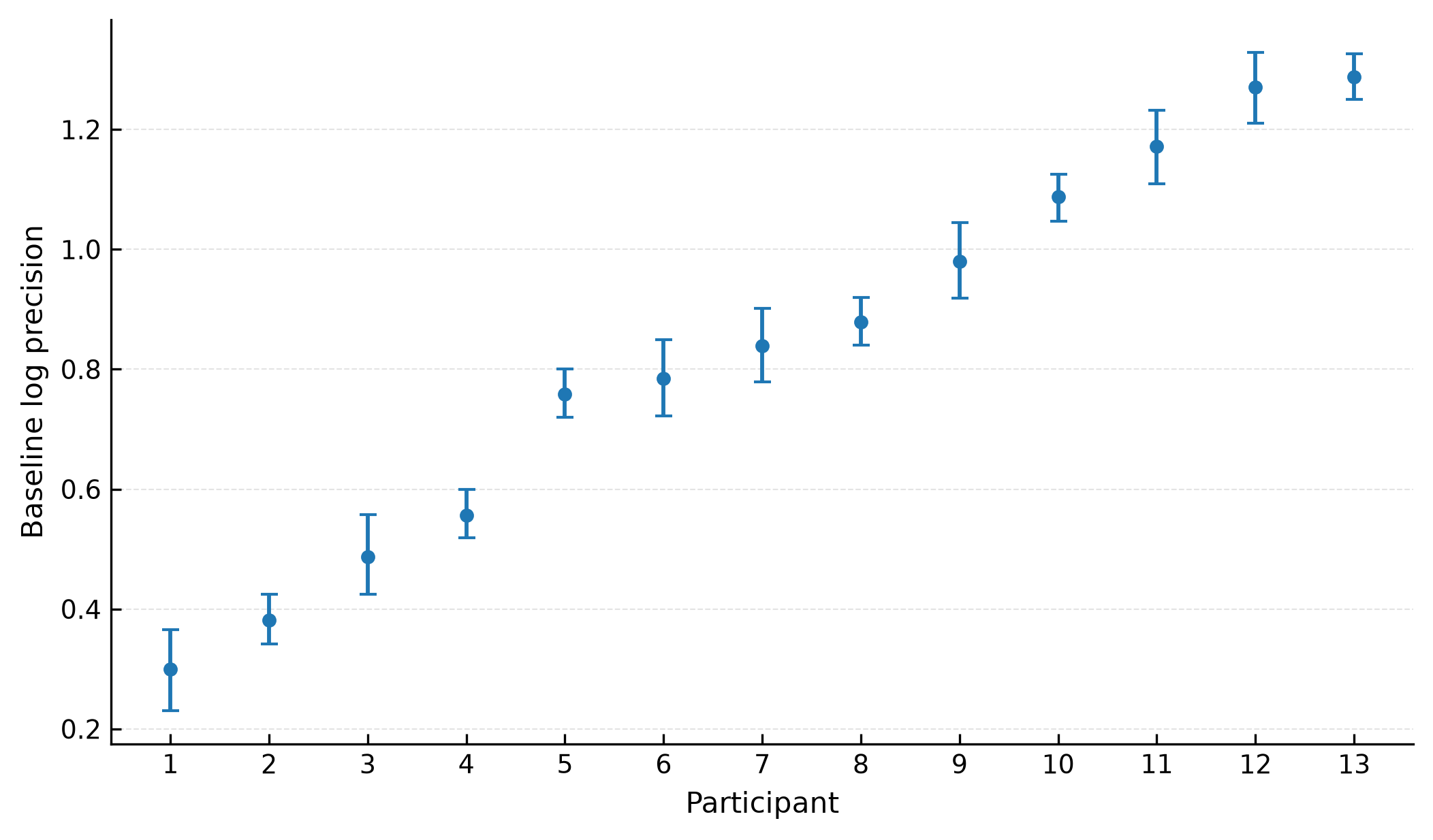
Figure 2. Individual differences in baseline memory precision estimated by the hierarchical Bayesian model.
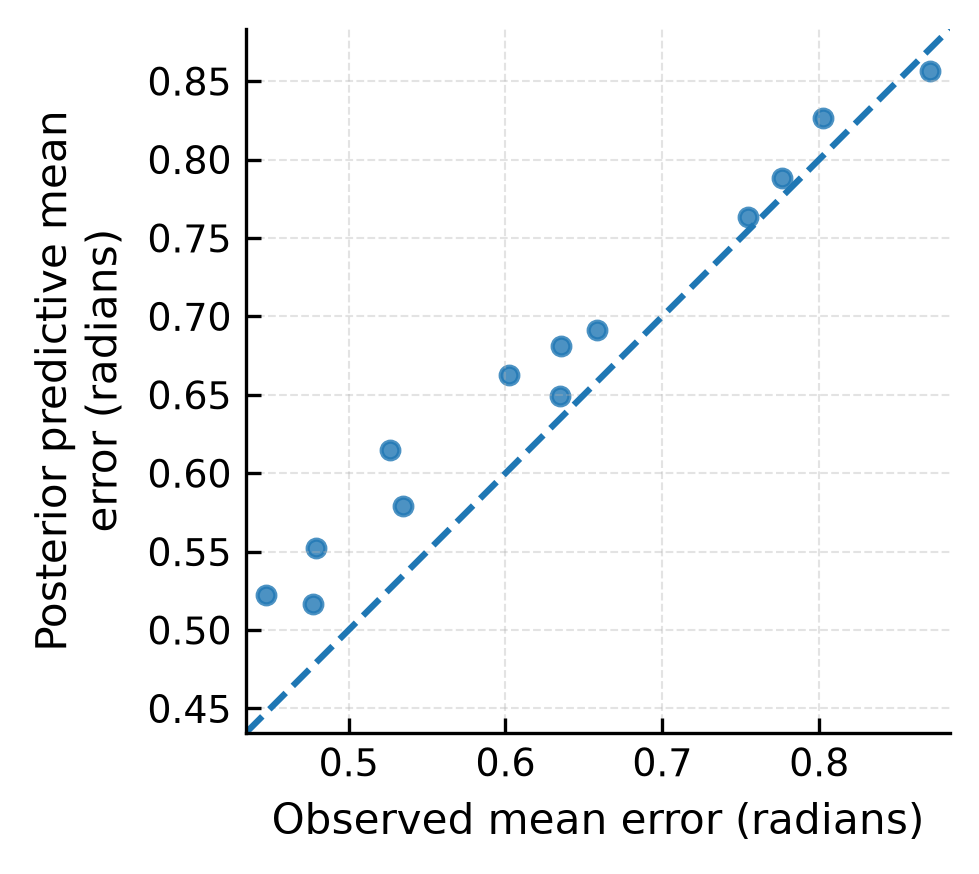
Figure 3. Posterior predictive evaluation of individual participant-level error patterns.
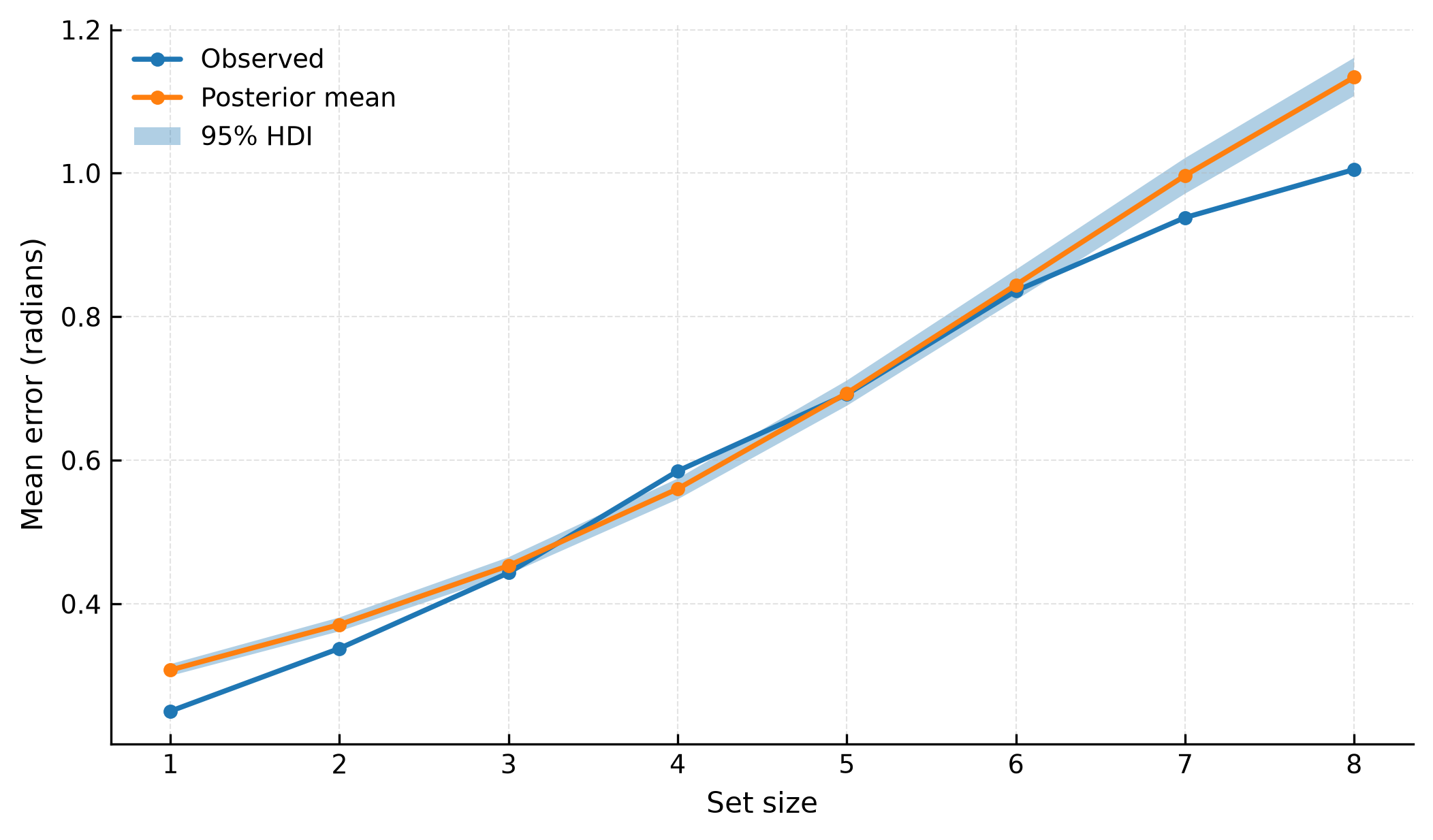
Figure 4. Posterior predictive evaluation of the relationship between memory load and recall error.
Limitations
- Reliance on an existing open dataset limits experimental control.
- The analyses focus on continuous-report paradigms and may not generalize to all working memory tasks.
- Model comparison was limited to statistical formulations rather than direct comparisons among competing cognitive theories.
- The von Mises likelihood imposes a specific distributional assumption on circular response errors.
Next Steps
Future work will extend this framework toward theoretically motivated cognitive models within a hierarchical Bayesian framework. Additional directions include applying the workflow to other working memory datasets, incorporating experiment-level effects, and comparing alternative computational accounts of memory precision and variability.